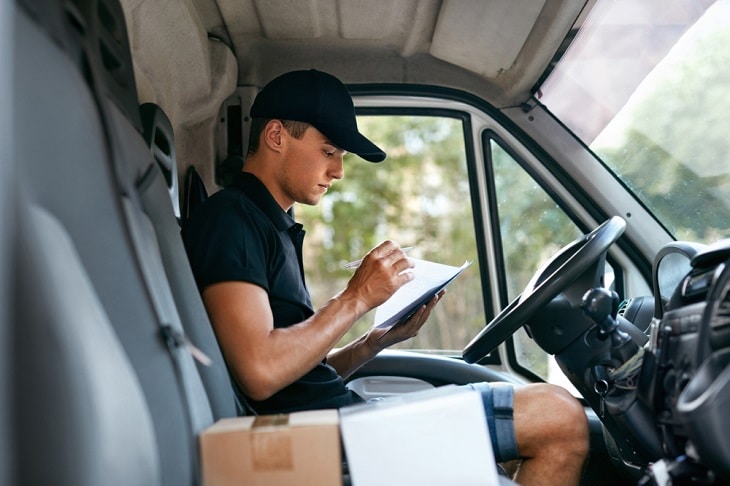
Why Delivery Work is the Ultimate Side Hustle
The primary draw of using your own vehicle is autonomy. You aren't tied to a boss or a rigid clock. You decide when to log on, which routes to accept, and when to head home.
The Key Benefits:
-
Low Barrier to Entry: Unlike trucking, you don't need a Commercial Driver’s License (CDL). If you have a reliable car and a clean driving record, you're halfway there.
-
Schedule Control: You can prioritize family time or other jobs, picking up delivery "blocks" only when they fit your life.
-
Tax Advantages: In the US, you can often deduct mileage and certain vehicle expenses on your taxes, which helps offset the costs of maintenance.
Choosing the Right Platform
Not all delivery gigs are created equal. Depending on your vehicle type and physical stamina, you might prefer one "niche" over another.
| Category | Popular Platforms | Best For... |
| E-commerce/Packages | Amazon Flex, Veho | Larger vehicles; people who prefer set "blocks" of time. |
| Groceries | Instacart, Shipt | Those who enjoy shopping and don't mind walking through aisles. |
| Food Delivery | DoorDash, Uber Eats | Quick trips; high volume during lunch and dinner rushes. |
| Large Items/Furniture | Roadie, TaskRabbit | Owners of pickup trucks or large SUVs. |
Strategies for Success: Efficiency is Everything
To make the most money, you have to think like a logistics manager. It’s not just about driving; it’s about optimizing.
-
Stack Your Routes: Many drivers "multi-app," keeping two apps open to ensure they always have a delivery lined up.
-
Combine with Daily Errands: If you’re already heading across town to pick up dry cleaning, look for a delivery heading in that same direction. This turns a personal chore into a paid trip.
-
Watch the "Peak" Hours: Earnings often surge during bad weather, major sporting events, or holidays. Being flexible enough to work when others won't is the fastest way to boost your hourly rate.
Frequently Asked Questions (FAQ)
Q: Does my personal auto insurance cover delivery work?
A: Usually, no. Most standard policies exclude commercial use. It is vital to look into a "rideshare" or "delivery" add-on for your insurance policy to ensure you are covered in the event of an accident.
Q: How do I handle gas and maintenance costs?
A: These are your biggest overhead expenses. Use apps like GasBuddy to find the cheapest fuel and keep a strict log of your mileage for tax season. Setting aside 10-15% of your earnings for a "repair fund" is a smart move.
Q: How much can I realistically earn?
A: Earnings vary by city and platform, but most US drivers report averaging between $18 and $25 per hour before expenses.
Disclaimer: This article is for reference only and does not constitute any professional advice or basis for decision-making.