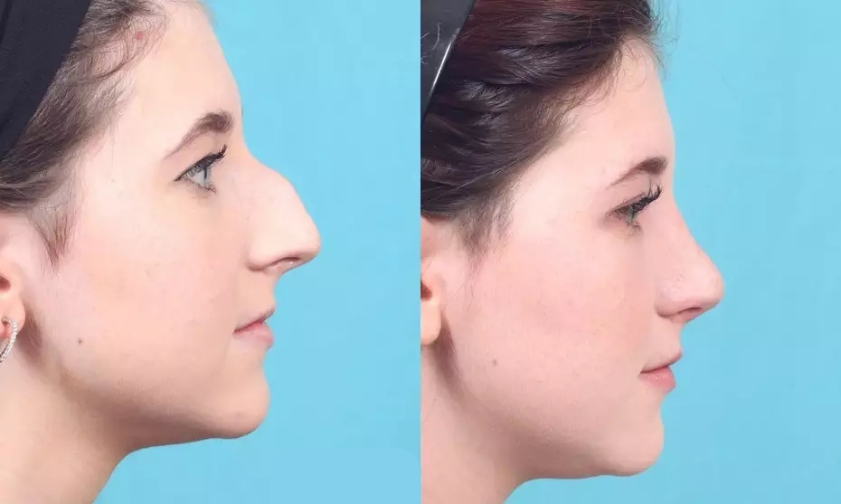
Rhinoplasty, commonly known as a "nose job," remains one of the most popular and transformative cosmetic procedures in the United States. Whether it’s for enhancing facial harmony, correcting a breathing issue, or repairing an injury, the field has seen a major shift toward "Preservation Rhinoplasty"—a 2026 trend focusing on natural-looking results that look authentic rather than "operated."
Why Rhinoplasty? More Than Just Aesthetics
For many Americans, a nose job is about balance. Modern surgeons use 3D imaging to show how subtle changes to the nasal bridge or tip can enhance the eyes and chin. Beyond beauty, many patients opt for Functional Rhinoplasty to correct a deviated septum (septoplasty), which can significantly improve sleep quality and athletic performance.
Estimated Costs by Region (2026)
Pricing for rhinoplasty varies significantly across the U.S. based on the surgeon’s expertise and the complexity of the case.
| Region | Primary Rhinoplasty (Avg.) | Revision Rhinoplasty (Avg.) |
| Northeast (NYC, Boston, DC) | $15,000 – $28,000 | $25,000 – $45,000+ |
| West Coast (LA, San Francisco) | $14,000 – $25,000 | $22,000 – $40,000+ |
| South (Miami, Dallas, Atlanta) | $10,000 – $18,000 | $18,000 – $30,000 |
| Midwest (Chicago, Minneapolis) | $9,000 – $16,000 | $15,000 – $28,000 |
Note: These estimates usually include the surgeon's fee, anesthesia, and facility fees. Always ask for an "all-inclusive" quote during your consultation.
The Recovery Journey: What to Expect
One of the biggest concerns for U.S. patients is the "downbeat" time. Thanks to advanced techniques like Ultrasonic Rhinoplasty (which uses vibrations instead of traditional tools to shape bone), swelling and bruising are now significantly reduced.
Recovery Timeline
-
Week 1: The "Cast Week." You'll wear a nasal splint. Most bruising around the eyes fades by day 7.
-
Week 2: Splint removal. You can typically return to desk work or school.
-
Month 1: About 70% of swelling is gone. You can resume light exercise.
-
Year 1: The final tip definition reveals itself as the last 5% of internal swelling resolves.
Frequently Asked Questions (FAQ)
1. Will insurance cover my rhinoplasty?
Standard cosmetic rhinoplasty is not covered. However, if the procedure is medically necessary (e.g., correcting a deviated septum to fix breathing), insurance may cover the functional portion of the surgery.
2. What is a "Liquid Nose Job"?
This is a non-surgical option using dermal fillers (like Juvéderm) to camouflage bumps or add volume. It is temporary (6–12 months) and cannot make a nose smaller, but it is popular for its zero-downtime nature.
3. Is the procedure painful?
Most patients describe the feeling as "clogged" or "heavy" rather than sharp pain. You will feel like you have a bad head cold for the first few days.
Disclaimer: The information provided in this article is for educational and informational purposes only and does not constitute professional medical advice, diagnosis, or treatment.