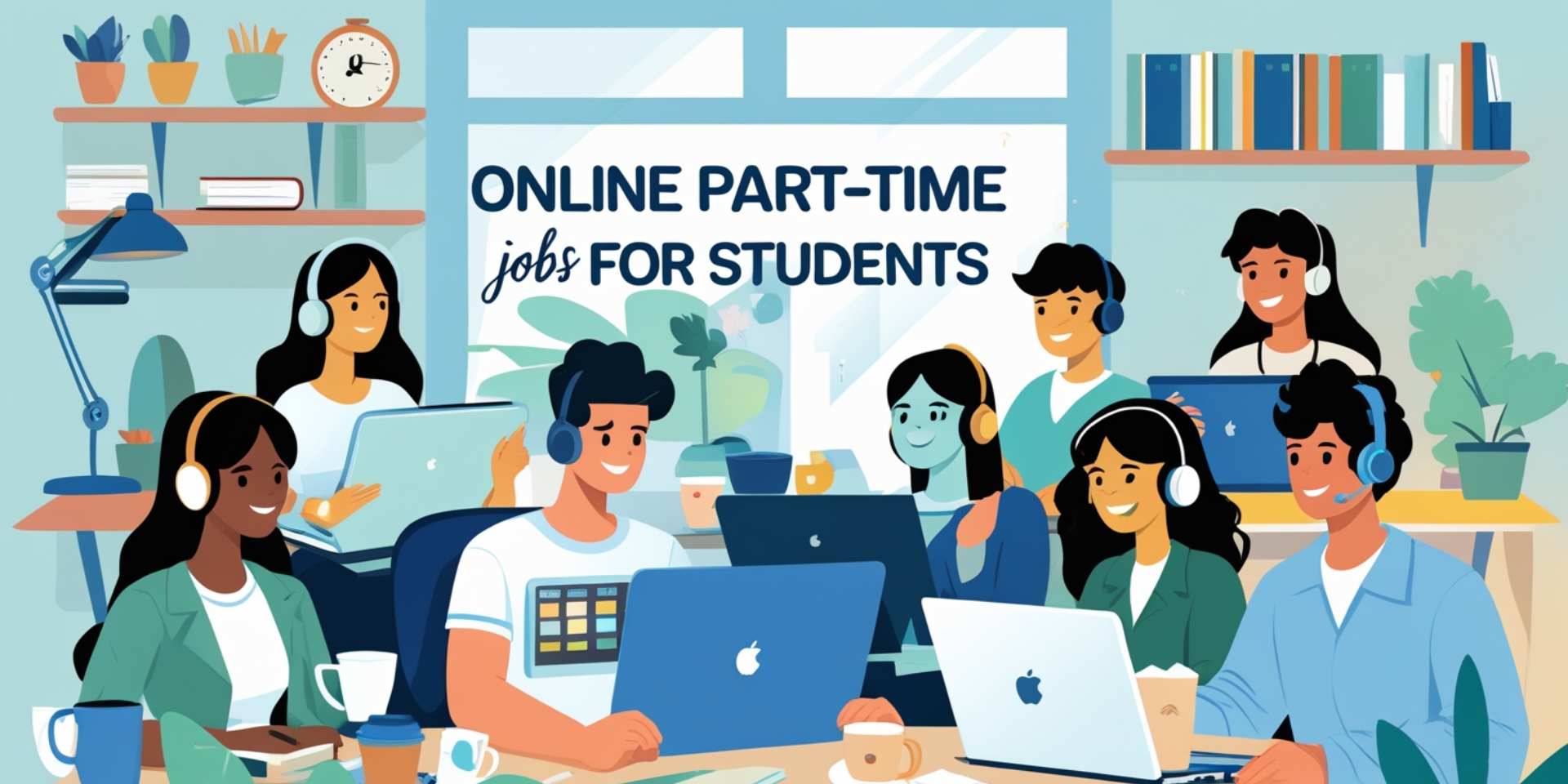
Start Earning Online While You Study
Balancing college life and finances can be a challenge, but technology has made it easier than ever to find flexible part-time online jobs for students. These roles let you build experience, gain income, and manage your time according to your academic workload. Whether you want to develop digital skills, explore new career paths, or simply cover your monthly expenses, remote work opens doors that fit your lifestyle.
Why Part-Time Online Jobs Work for Students
Online work is ideal for students because it allows flexibility and autonomy. You can create your schedule around classes, manage deadlines more efficiently, and build valuable experience in your field of interest. Many students use these jobs to strengthen their resumes with real-world projects without sacrificing grades or extracurricular activities. Remote work also equips you with communication and organization skills that employers increasingly value.
Popular Part-Time Online Job Categories
Many part-time online jobs for students fall into a few broad categories. They vary based on your interests, time availability, and technical ability. Here are some of the most common types:
- Freelance writing and editing: If you have strong language skills, freelance writing is a rewarding option. Platforms like Upwork or Fiverr allow you to find clients looking for blog posts, website copy, and research help.
- Online tutoring: Students with strengths in math, science, or languages can teach peers or younger learners through trusted educational portals such as Chegg Tutors or Wyzant.
- Social media management: Small businesses increasingly outsource social media marketing. If you enjoy crafting posts, creating visuals, and analyzing engagement, this path offers creativity and flexibility.
- Virtual assistance: Many entrepreneurs and professionals seek virtual assistants for scheduling, research, and email management. It’s a great way to improve multitasking and communication skills.
- Online research and surveys: Though less consistent in pay, tasks like data entry, research projects, and feedback surveys can supplement your income.
Essential Skills for Online Work
To succeed in part-time online jobs, students should strengthen a few core skills. Clear communication, basic computer literacy, and reliable time management are musts. Knowing tools like Google Workspace, Microsoft Excel, and project management apps such as Trello or Asana makes you more efficient. Many roles also appreciate creativity and self-motivation since you’ll often work without direct supervision.
Technical Tools to Master
You don’t need to be an expert programmer, but understanding the basics of digital collaboration will set you apart. Familiarize yourself with video-conferencing tools like Zoom, file-sharing services like Google Drive, and online payment systems such as PayPal to handle client transactions securely. These tools ensure professionalism and help you work seamlessly across digital environments.
Time Management and Work-Life Balance
Managing time well is as critical as the job itself. Students working online must learn to organize tasks, prioritize deadlines, and avoid burnout. A good approach is to treat your online work as a class—dedicate scheduled hours for it, track deliverables, and reward yourself for consistency. Apps like Todoist and Clockify can help track productivity and maintain focus.
Students often underestimate how much mental energy online work can take. Setting boundaries between study time and working hours prevents fatigue. Many successful student freelancers develop a personal routine that balances study commitments, coursework, and short breaks for rest.
What to Expect from Different Roles
Different part-time online roles offer different expectations and rewards. For jobs like tutoring and social media management, you might work with short-term clients or continuous weekly sessions. Freelance writing typically involves meeting deadlines and pitching to editors, while virtual assistance jobs require consistent availability and discretion. Knowing your strengths helps you choose roles that match your study schedule and performance goals.
Building Credibility and Experience
Since online work operates on trust, building a portfolio is crucial. Gather writing samples, design mock projects, or collect client testimonials to showcase your skills. Many platforms display your ratings and previous work, which can help you attract new clients and negotiate higher pay over time. Starting small and delivering quality results establishes a reputation that leads to more stable income streams.
How to Prepare for Your First Online Job
Before applying, ensure you have a professional email address, a clear resume, and—if applicable—a portfolio showcasing your skills. Research legitimate platforms, avoiding sites that promise unrealistic pay or request upfront fees. Reading reviews and checking payment policies are smart precautions. Most genuine platforms operate transparently and provide buyer/seller protection to safeguard your effort and data.
Tips for Success
- Set clear expectations with clients about your availability and deliverables.
- Communicate progress regularly and ask for feedback.
- Keep detailed records of contracts and payments for future reference.
- Stay updated with digital tools and trends relevant to your field.
These habits will not only improve your work quality but also help you manage several clients without missing deadlines.
Balancing Study and Income Goals
One of the main attractions of online jobs is the flexibility to align work hours with school calendars. For instance, you may dedicate more hours during semester breaks and scale back during exams. Many online opportunities allow this fluidity, enabling steady progress in both academics and professional life. The key is consistency—slow but steady growth often leads to impressive earning potential by graduation.
Your Next Steps to Finding Work
Start by identifying your strengths: writing, teaching, organizing, or creative design. Next, set up profiles on reputable job marketplaces and start with small, manageable projects. Review each job description thoroughly and submit tailored applications that highlight your academic background and adaptability. Employers appreciate reliability, even for entry-level work.
As you gain experience, expand your skills through short online courses on platforms like Coursera or LinkedIn Learning. Many students transition from small projects to part-time freelance careers that remain viable post-graduation.
Disclaimer: This article is for reference only and does not constitute any professional advice or basis for decision-making.